Customisation

Built to your job, and to your hardware.

We develop private AI models to the client’s requirement in two dimensions at once: the function it performs, and the machine it has to run on. Because we build the models ourselves rather than fine-tuning someone else’s, we can change the size, context length, vocabulary and capabilities to fit your machine — instead of telling you which machine to buy.
2
Dimensions: function & hardware
366M
Parameters, tuned per task
You
Own the weights
2–6 wks
Typical build
wide image
By function

Trained for the job you actually have.

The model is trained for your task, not adapted from something general. This is work we have built or are building today.

Documents
Document data extraction
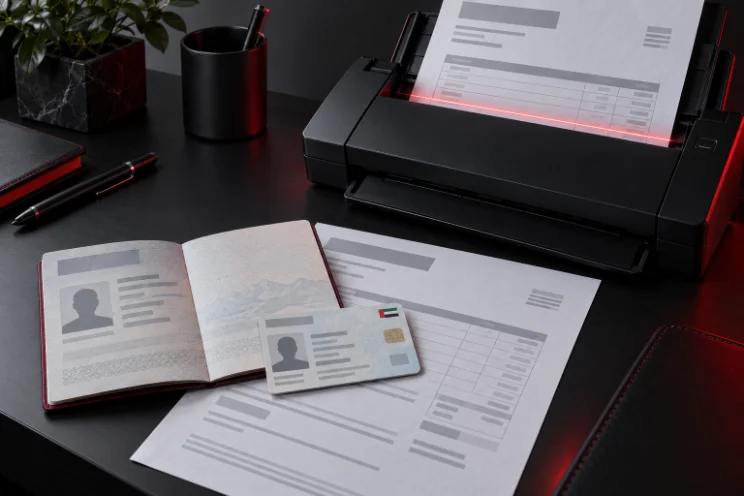
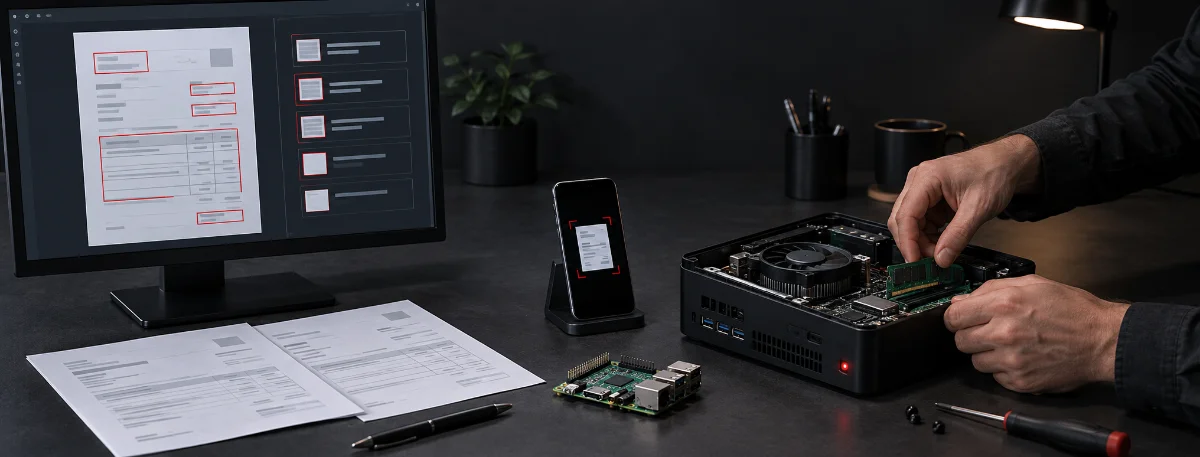
Business cards, Emirates IDs, passports, invoices and receipts, tenancy contracts, CVs. Text in, structured JSON out, ready for your CRM or accounting system.
Finance
Accounting head classification
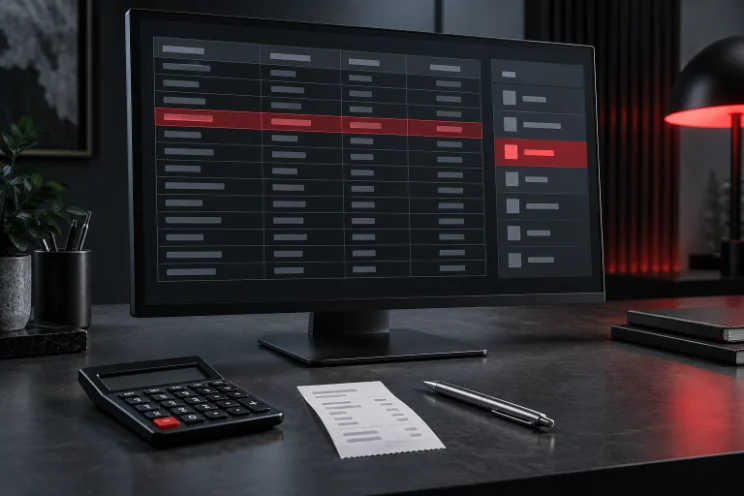
A line item and your own chart of accounts in; the correct head out. Trained on your ledger, not a generic taxonomy.
Data quality
Duplicate detection
Catching the same customer entered three times with three spellings — across scripts, abbreviations and transliterations.
Routing
Sentiment and intent
Routing and prioritising incoming messages against your own category list, not a fixed sentiment scale.
Text
Summarising and rewriting
Meeting notes, long documents and correspondence — condensed, rewritten, tone-adjusted or grammar-checked.
Assistant
Support conversation
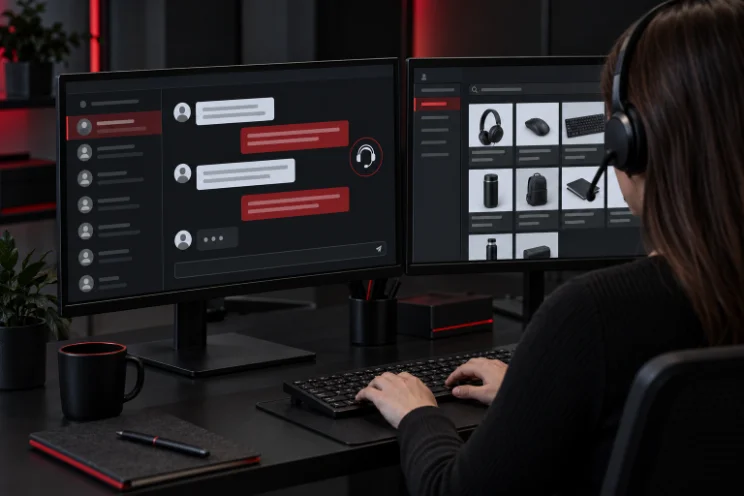
A company assistant that knows your products and hands over to a person when it should, answering facts from approved text rather than generating them.
By hardware

Tell us what it has to run on and we design to that constraint.

This is the part few others will take on. The target device is an input to the model design, not an afterthought.

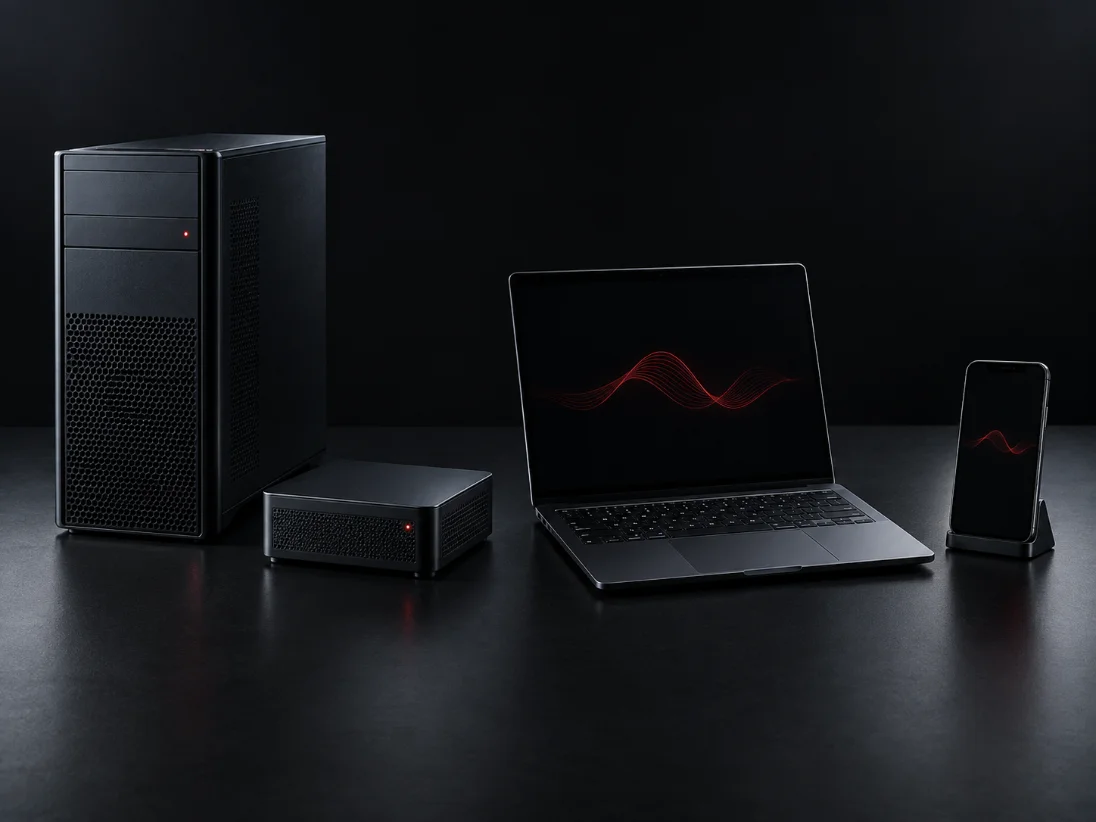
A server you already own
CPU-only is enough for most document workloads. No procurement cycle, no accelerator budget.
A mini PC in the corner
An Intel NUC or N100 box under a desk runs the model comfortably at 4-bit.
A single small GPU
One T4 or L4 class card when throughput or response latency matters more than cost.
A laptop in the field
For teams with no connectivity. The weights are on the disk; the network cable is optional.
An edge or industrial box
A Jetson-class device or ruggedised PC on a factory floor, inside the plant network.
A phone, in time
Under 1 GB of RAM at 4-bit puts in-device inference on modern handsets within reach.
Designed to the device

The hardware is an input to the model, not an afterthought.

Tell us what it has to run on and we change the size, context length, vocabulary and capabilities to fit it. Because we build the models ourselves, we do not have to tell you which machine to buy.
n image
What the model itself needs

366M parameters, so memory depends on precision.

Sizing is not guesswork. Here is exactly what the model occupies at each precision, before any application overhead.

Format Model size RAM needed (with context + runtime)
32-bit (what you run today) 1.46 GB ~2 GB
16-bit 0.73 GB ~1.2 GB
8-bit quantised 0.37 GB ~0.8 GB
4-bit quantised 0.18 GB ~0.5 GB
Conversation memory adds only ~100 MB at 1,024 tokens. So the headline number is under 1 GB of RAM, and about 200 MB of storage at 4-bit.

That is the whole argument for small models in one table. A frontier model cannot be quantised into a phone; this one already fits, which is why deployment stops being a negotiation about infrastructure.

What you receive

The weights. The model is yours.

A file on your disk under a one-time licence — no per-user fee, no subscription, no calls to our servers, and no dependency on our company continuing to exist.

The weights themselves. Not API access to a model we host. The artefact is delivered to your infrastructure and stays there.
A one-time licence. Perpetual, per deployment. Cost does not scale with seats, documents or usage.
No outbound call path. You can put it on a machine with the network cable unplugged and it will still work.
A local interface. REST and queue endpoints inside your network, returning structured JSON your systems can consume directly.
Re-training rights. Fine-tuning on new formats and edge cases is part of the licence, not a new purchase.
By function

The work we build

n image
Documents
Extraction
Emirates IDs, passports, visiting cards, invoices, receipts, tenancy contracts and CVs. Text and images in, named fields out against a schema you define — with a confidence value and an explicit list of anything the model could not read.
n image
Finance
Classification
A line item and your own chart of accounts in, the correct head out — trained on your ledger rather than a generic taxonomy, so it matches how your finance team actually codes. Duplicate detection runs on the same principle across spellings and scripts.
n image
Assistant
Support conversation
A company assistant that answers from your approved product text rather than generating claims, routes by intent against your own category list, and hands over to a person the moment it is out of scope.
What we will not claim

A narrow tool, honestly described.

Not this
A general assistant
REX42 does not compete with frontier systems on open-ended reasoning, world knowledge or long-form writing. If that is the requirement, a large hosted model is the right tool and we will say so.
This
A dependable specialist
For a defined task, on your own hardware, with your data never leaving the building, a small well-trained model is the better tool — and often the only permissible one.

Tell us the task and the hardware.

We will size it honestly against your real documents before you buy anything.