
The privacy is structural, not a policy.
A local model removes the question rather than answering it. If the document is read on your own machine, by weights stored on your own disk, there is no transfer to govern, no retention policy to verify, no jurisdiction to argue about, and no breach at a provider that can expose you.

Ask a company why AI is not in their document workflow. The answer is rarely “it doesn’t work”.
It is almost always one of these five, and each one is a legal or contractual obligation rather than a preference.
Policies are real and they matter. They are still promises about data you have already handed over.
The usual answer to these worries is a policy: a commitment not to train on your data, a retention setting, a compliance certificate. Local inference is a different kind of answer.
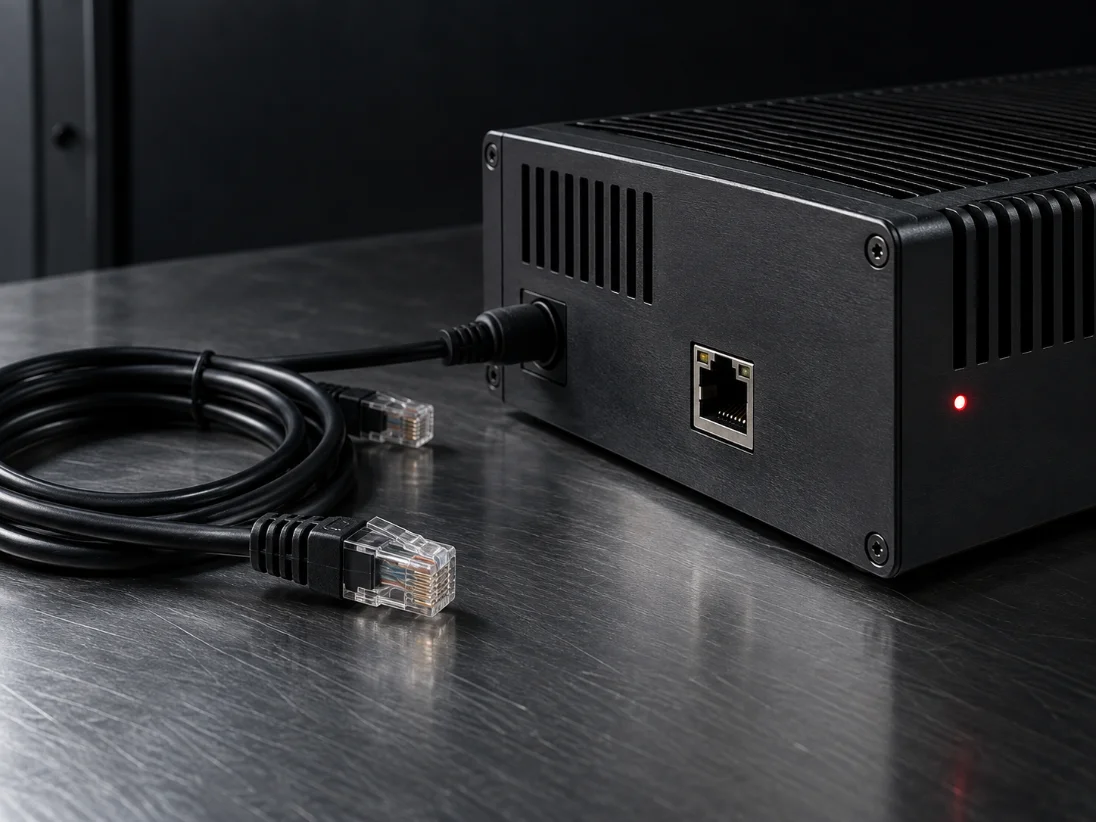
The document never leaves the building, so there is nothing to govern.
No transfer, no retention policy to verify, no jurisdiction to argue about, and no provider breach that can reach you. The privacy is a property of where the computation happens.
The claim is only as good as the engineering behind it.
How the line is held



A confident, wrong passport number is more dangerous than a blank field.
Our first models invented values when they could not read a document. That is the worst possible failure in business use, so refusal is engineered into the system rather than left to the model’s discretion.
Bring us your strictest requirement.
If your rules say the data cannot leave the building, that is the case REX42 was built for.